NK細胞治療

認識NK自然殺手細胞原理、療效與安全,為治療方案作出更周全選擇。

A serene consultation desk in a Central Hong Kong medical office, with no people present, featuring a slim laptop open to a bilingual Chinese-Japanese immunotherapy treatment plan, surrounded by neatly arranged printed diagrams of DC, LAK, and NK cell treatment flows. A small acrylic stand holds appointment cards for Hong Kong and Japan clinics. Warm, neutral-toned walls and a large, softly focused painting of abstract immune cells add sophistication. Natural afternoon light enters from an unseen window, casting soft shadows across the light-wood desk surface. Photographic realism with a slightly elevated angle and moderate depth of field, creating a professional, organized, and trustworthy atmosphere suitable for explaining treatment schedules and success rates.
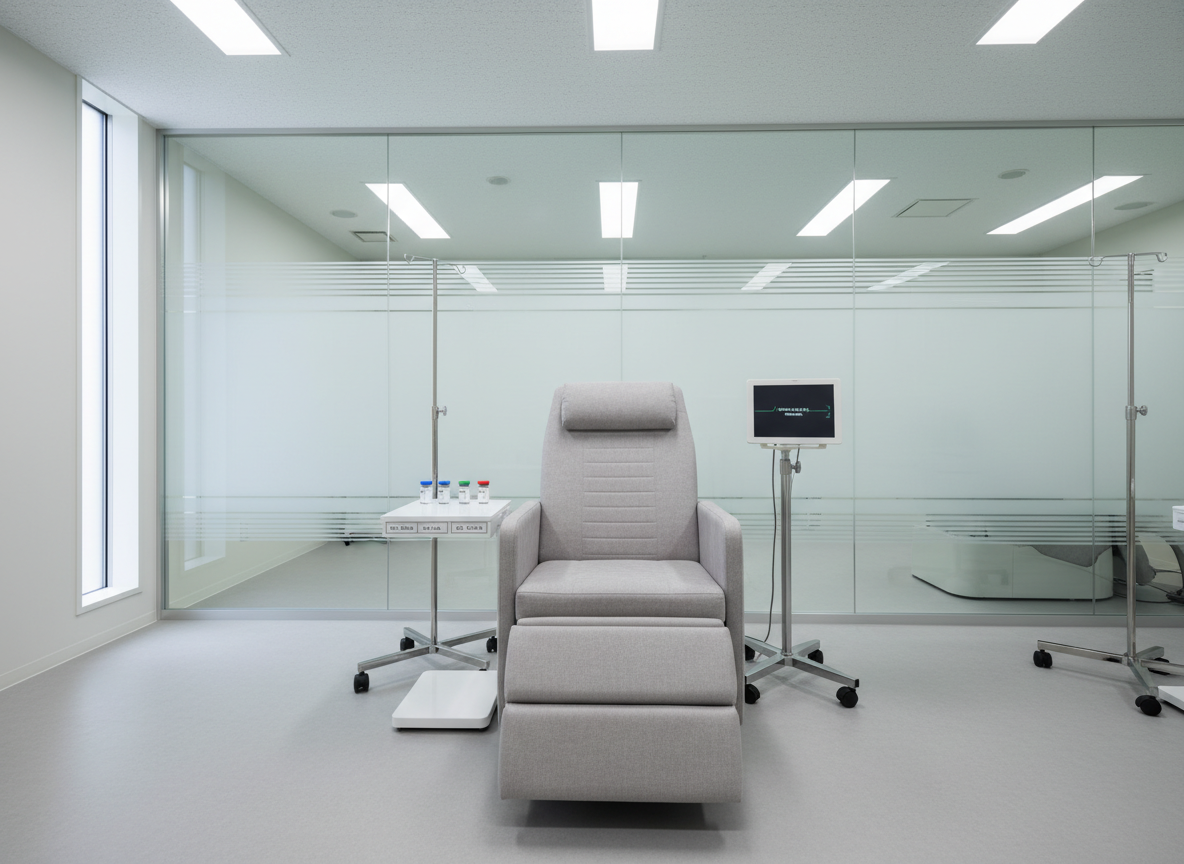
A high-tech Japanese immunotherapy treatment room without any human presence, featuring a reclining medical chair upholstered in light gray, flanked by sleek infusion stands and a compact monitoring unit with vital-signs display in standby mode. A frosted glass partition subtly reveals the outline of adjacent treatment pods. Cool, diffused ceiling lighting combines with faint natural daylight from a narrow window, producing soft, shadowless illumination. On a small side table, labeled vials representing DC, LAK, and NK cells are arranged in a precise line. Photographic realism, shot from a wide-angle eye-level perspective, emphasizes cleanliness, privacy, and advanced technology, capturing the calm, dignified atmosphere of personalized cancer immune cell treatment in Japan.

NK自然殺手細胞抗癌關鍵

NK自然殺手細胞能主動偵測缺乏正常標記或表面異常的腫瘤細胞並直接誘導其凋亡,不受特定抗原限制;配合化療電療可減少殘餘癌細胞與復發風險,但亦受腫瘤免疫逃避及個人體質所限,未必完全取代傳統療法。

About

NK治療流程一覽

由抽血收集免疫細胞開始,經實驗室專業培養與活化,再於無菌環境下經靜脈輸注回體內,我們以圖解及清晰步驟說明每一環節,助病人及家屬掌握過程重點,減輕未知帶來的焦慮。
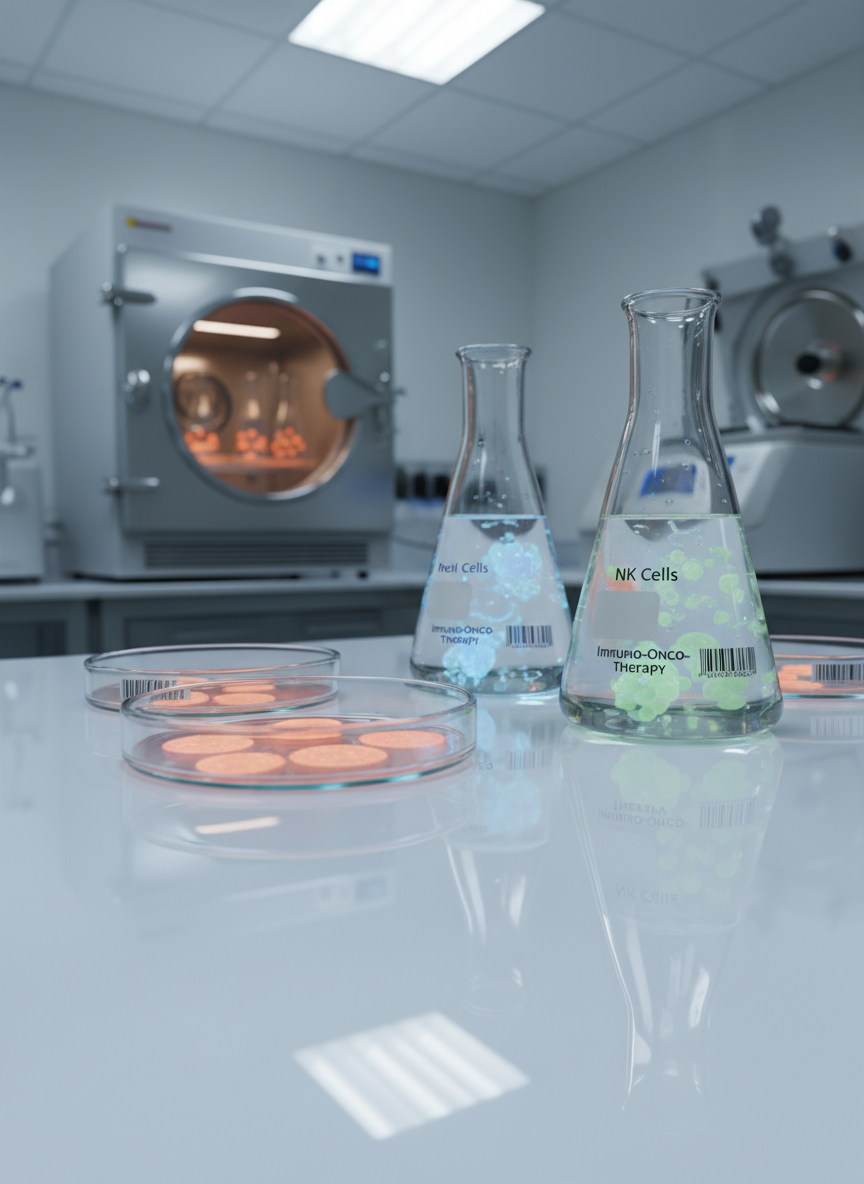
A close-up, photographic realistic scene of transparent petri dishes and sterile culture flasks on a glossy lab bench, each containing glowing, semi-translucent representations of dendritic cells, NK cells, and lymphocytes in distinct soft colors. Behind them, a high-end incubator and centrifuge are slightly out of focus, set in a spotless immunotherapy laboratory environment. Cool, even overhead lighting is reflected in the glass and metal, creating a clean, clinical atmosphere. The composition uses a shallow depth of field from a low, side angle, highlighting fine details of the cells and labels on the containers. The overall mood is precise, advanced, and professional, visually communicating the scientific rigor of cancer immune cell therapy.